

Understanding Tech: A Comprehensive Guide to the Technology Industry and Its Impact

The term "tech" is often used as a handy shorthand for "technology." But its real meaning goes way beyond just an abbreviation; it covers a vast and complex area that deeply affects almost every part of modern life. When we mention tech, we’re talking about both the innovative tools, systems, and processes developed using scientific knowledge, and the active industry that’s always creating, pioneering, and applying these advancements. This guide aims to clearly demystify the world of technology by giving a thorough overview for anyone wanting to get a grip on its basic ideas, broad impact, and constantly changing nature.
What Exactly is Technology? A Foundational Definition
At its core, technology can be seen as the practical use of scientific principles, knowledge, and engineering to create real solutions that improve human life, boost abilities, or solve tough problems. It connects theory with real-world action, turning abstract ideas and scientific findings into workable results. These solutions show up in many forms, from physical tools and complex digital software to detailed systems and refined processes. Whether it’s a simple tool like a wheel or a sophisticated artificial intelligence algorithm, technology’s goal is to help human effort, smooth out operations, and in the end, improve our lives. It helps us by raising productivity, making global communication easier, transforming healthcare, optimizing transportation, expanding entertainment, and addressing lots more needs.
At the end of the day, technology is a human effort centered on problem-solving. It reflects humanity’s ongoing quest to build, innovate, and enhance the tools and methods we’ve got, always pushing what’s possible and changing how we deal with our world and each other.
The Core Components That Drive Innovation in Tech
To really get the scope of technology, it’s useful to break it down into several linked core parts that together shape and push the overall tech scene:
- Hardware: This refers to all the physical, tangible devices and parts that make up technological systems. It’s the circuits you can feel, the machines you can see. This includes common things like personal computers, smartphones, and tablets, but also reaches into specialized gear like powerful servers housed in massive data centers, detailed sensors embedded inside everyday objects (for the Internet of Things), advanced robots used in manufacturing lines and space exploration, and the complex networking equipment (routers, switches) that supports all digital communication. Hardware forms the physical backbone where all other tech components operate, acting like the engine and body for digital intelligence.
- Software: Unlike hardware, software is the intangible set of instructions, programs, and applications that tell hardware what to do. It’s like the brain and nervous system for a tech system. Software ranges from operating systems (Windows, macOS, Android, iOS) that manage computer resources, to diverse application software (word processors, web browsers, social media apps, design tools) that enable users to perform specific tasks. Additionally, it includes firmware embedded into hardware for basic functioning, cloud-based software services (SaaS) that run remotely on servers, and sophisticated algorithms that handle everything from data processing and analysis to user interface design and artificial intelligence capabilities. Software essentially gives life and functionality to hardware.
- Networks and Connectivity: This component refers to the infrastructure and technologies that enable devices and systems to communicate and share information, regardless of their physical locations. At its core is the internet, a vast global network linking numerous smaller networks. It also includes local area networks (LANs) within homes or offices, wide area networks (WANs) that span broader geographic regions, cellular networks such as 4G and emerging 5G technologies which support mobile communication, and satellite networks providing coverage in remote or underserved regions. Technologies like Wi-Fi, Bluetooth, and Ethernet cables facilitate these connections. Reliable and fast connectivity is essential for modern technology to function, allowing activities from live video calls and cloud-based applications to remote work and the interconnectedness of IoT devices.
- Data and Analytics: In today’s digital age, data is often dubbed the "new oil." This part focuses on gathering, storing, processing, and interpreting vast amounts of information in structured ways. Data can take many forms—text, images, sensor outputs, or financial transactions. Analytics transforms this raw data into actionable insights, revealing patterns, trends, and connections that inform business decisions, scientific research, and even everyday choices. This includes descriptive analytics (understanding what happened), diagnostic analytics (why it happened), predictive analytics (forecasting what could happen), and prescriptive analytics (recommending actions). Effective data management and analytics enable better understanding of complex systems, customization of user experiences, and powering AI developments.
- Artificial Intelligence (AI) and Machine Learning (ML): These advanced technologies enable machines to simulate aspects of human intelligence. AI represents the broad concept of creating smart systems capable of decision-making, learning, and problem-solving. ML, a subset of AI, refers specifically to algorithms that improve their performance by learning from vast datasets without explicit programming for every task. Instead of manually coding instructions for every possible scenario, ML systems identify patterns and correlations in data to make predictions or decisions. Subfields include natural language processing (interpreting human speech), computer vision (analyzing images and videos), predictive modeling, and intelligent automation. AI and ML are at the forefront of innovation, transforming industries by automating complex cognitive tasks, personalizing services, and uncovering insights beyond human detection.
Exploring the Diverse Sectors of the Tech Industry
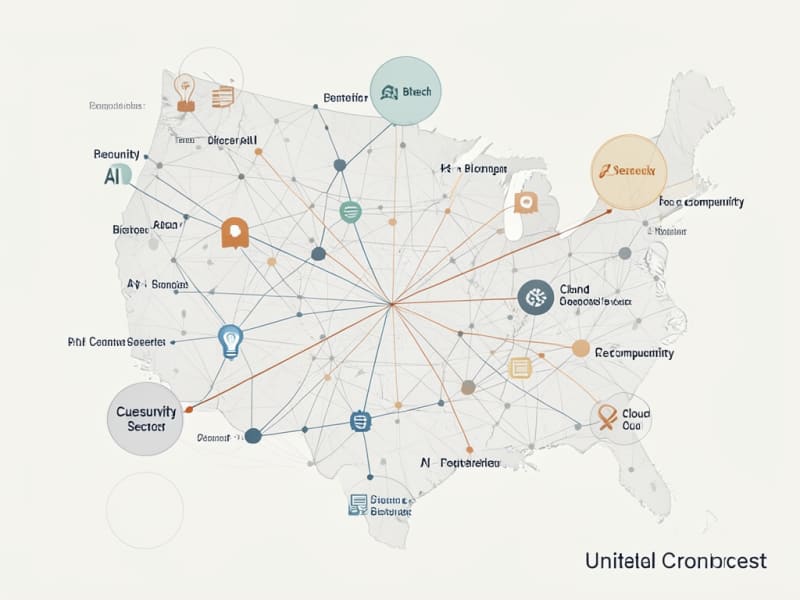
The technology industry isn’t a single, uniform entity; it’s a broad and varied landscape composed of many specialized sectors, each with its own focus and contribution to innovation:
- Information Technology (IT): This is perhaps the largest sector, primarily concerned with the use and management of computers, software, networks, and related physical devices to generate, process, store, secure, and exchange electronic data. IT encompasses custom software development, cybersecurity strategies to protect data and infrastructure, cloud infrastructure management enabling scalable online services, database administration, network maintenance, and technical support. Professionals in IT ensure that digital systems operate smoothly for businesses, governments, and individuals.
- Telecommunications: This sector focuses on the technologies and infrastructure that facilitate long-distance communication. It includes service providers offering voice, data, and video transmission, ranging from the early telegraph and telephone systems to today’s expansive mobile networks (from 2G through 5G and preparing for 6G), internet service providers, satellite communication networks, and high-speed fiber optic cables. Telecommunications connects people, businesses, and devices globally, making real-time communications and data sharing possible nearly everywhere.
- Consumer Electronics: This sector designs, manufactures, and markets electronic devices intended for personal or home use. It encompasses smartphones, laptops, desktop computers, smartwatches, smart home devices (like intelligent speakers, thermostats, and lighting), gaming consoles, televisions, and audio equipment. Innovation within this sector often prioritizes portability, user-friendly interfaces, enhanced processing power, and seamless integration into daily routines.
- Health Technology (Health Tech or Digital Health): This sector merges technology with healthcare to improve patient care, streamline operational efficiency, and accelerate medical research. It spans advanced medical devices (such as MRI scanners and glucose monitors), telemedicine platforms enabling remote consultations, comprehensive electronic health records systems, wearable fitness and health monitors, AI-powered diagnostic tools, and personalized medicine techniques customizing treatment to individual genetic profiles. The goal of health tech is to make healthcare more accessible, effective, and tailored to patient needs.
- Financial Technology (FinTech): FinTech applies advanced technologies to improve, automate, and disrupt traditional financial services. It includes mobile banking applications, online payment platforms (like PayPal and Square), peer-to-peer lending services, robo-advisors offering automated investment management, blockchain technologies supporting cryptocurrencies and secure transactions, and insurance technology (insurtech) improving underwriting and claims processing. FinTech seeks to make financial services more efficient, accessible, and user-centric, often challenging established banking models.
- Legal Technology (Legal Tech): Legal Tech involves the use of software and digital tools to automate, streamline, and enhance legal work and compliance. This can include electronic discovery platforms to locate digital evidence, contract lifecycle management systems, AI-powered legal research and analysis tools, law practice management software, and online dispute resolution mechanisms. The objective is to increase efficiency, reduce costs, and improve access to legal services.
- Artificial Intelligence and Robotics: Although AI permeates many sectors, this area concentrates on creating intelligent machines and autonomous systems as products or solutions in their own right. This encompasses industrial robots automating manufacturing tasks, service robots assisting in healthcare or logistics, advanced AI models tackling complex challenges (such as self-driving cars), and ongoing research in cognitive computing and advanced machine learning techniques. This sector pushes the boundaries of machine autonomy and intelligence.
How Technology Shapes Our Daily Lives
Technology isn’t just an external force—it’s deeply interwoven into our daily experiences, often functioning so seamlessly that we barely notice its influence. Its effects are profound and alter how we live, work, and relate to one another.
- Communication: Instant messaging apps, video conferencing, and social media platforms connect billions globally. Smartphones, once luxury items, are now essential tools that keep us linked instantly across great distances.
- Navigation and Transportation: GPS technology guides us through unfamiliar locations effortlessly. Ride-sharing apps have transformed urban transportation. Emerging AI-powered sensors and algorithms are the foundation of autonomous vehicles, envisioned to enhance road safety and efficiency.
- Online Shopping and Commerce: E-commerce platforms permit purchasing almost any product anytime from anywhere. AI algorithms analyze your preferences to deliver personalized recommendations, while secure payment systems protect transactions.
- Entertainment: Streaming services provide vast libraries of films, series, and music on demand. Online gaming communities connect players worldwide, and immersive technologies like virtual reality (VR) and augmented reality (AR) are creating new entertainment experiences.
- Work and Education: Technology enables remote work through tools like video meetings and cloud collaboration software. Online learning platforms offer flexible access to education, allowing users worldwide to acquire new skills remotely.
- Healthcare: Telemedicine allows doctor visits without requiring physical presence. Wearable devices track vital signs continuously. AI assists in diagnostics, drug research, and tailoring treatments, improving patient care outcomes.
- Safety and Security: Smart home security systems, surveillance technologies, and robust cybersecurity measures protect homes, data, and identities. Technology also supports public safety through emergency notification systems and intelligent traffic management.
- Addressing Global Challenges: Technology assists in modeling climate change, managing renewable energy through smart grids, improving agricultural efficiency with precision farming, and coordinating disaster response logistics.
From waking up to a smart alarm that adjusts to your sleep cycle, to algorithms curating personalized entertainment, technology actively shapes and enhances daily life in countless direct and subtle ways.
The Evolution of Tech: From Past to Present
Technology has undergone continuous evolution—from rudimentary stone tools to today’s connected and AI-driven ecosystems. This development can be viewed in distinct chronological phases:
- Ancient and Medieval Eras: Early technological milestones included inventing the wheel, developing farming implements, constructing shelters, and creating writing systems. These foundational innovations enabled societal development.
- The Industrial Revolution (18th-19th Centuries): Steam power, mechanization, and factory systems transformed manufacturing and transport (steam trains, ships), reshaping economies and social structures from agrarian to industrial.
- The Early 20th Century: Electrification spread rapidly, automobiles became commonplace, assembly lines revolutionized production, and early telecommunications like radio and telephony connected populations.
- The Computer Age (Mid-20th Century): The transistor's invention and development of mainframe computers initiated the digital transformation. Personal computers emerged in the 1970s and 80s, bringing computing power to homes and offices. Network foundations were laid for future interconnectivity.
- The Internet and Mobile Revolution (Late 20th - Early 21st Centuries): The World Wide Web popularized global information sharing. The mobile revolution placed internet-connected smartphones in billions of pockets, enabling constant connectivity and instantaneous interaction.
- The Current Era: AI, Cloud, and IoT (2010s-Present): Cloud computing enables scalable storage and applications hosted remotely. Advances in AI and Machine Learning drive smarter automated systems. The Internet of Things connects physical devices, while big data analytics extract insights from vast datasets, transforming industries and daily life.
Navigating the Language of Tech: Common Terms and Concepts
Understanding technology also means becoming familiar with its common terms:
- Cloud Computing: The delivery of computing resources (servers, storage, databases, networking, software, analytics) over the internet. Instead of owning physical hardware, users rent capacity from providers like AWS, Azure, or Google Cloud. Cloud models include Infrastructure as a Service (IaaS), Platform as a Service (PaaS), and Software as a Service (SaaS). This offers flexibility, cost-efficiency, and scalability.
- Big Data: Extremely large or complex data sets that traditional tools struggle to process. Big Data is characterized by the “Four Vs”: Volume (size), Velocity (speed of data flow), Variety (different data types), and Veracity (trustworthiness). Analyzing big data uncovers insights valuable in business, science, and governance.
- Blockchain: A decentralized, tamper-resistant digital ledger that records transactions across multiple computers. Each "block" contains a set of transactions linked together, ensuring data integrity. Used for cryptocurrencies like Bitcoin and Ethereum, it’s also applied to supply chains, voting systems, and secure data management.
- Automation: Technology that performs tasks with minimal human intervention. Early automation followed static rules, whereas Intelligent Automation incorporates AI to handle complex, adaptable workflows. Robotic Process Automation (RPA) uses software robots to mimic repetitive human tasks, freeing workers for more complex activities.
- Cybersecurity: Measures that protect computing environments from attacks, unauthorized access, or damage. Threats include malware, phishing, ransomware, and denial-of-service attacks. Defenses encompass encryption, firewalls, multi-factor authentication, and continuous monitoring.
- Internet of Things (IoT): A network of interconnected physical objects embedded with sensors and software to collect and exchange data over the internet. Examples include smart thermostats, fitness trackers, industrial monitoring sensors, and smart city infrastructure. IoT enables automation, remote control, and data-driven decision-making.
- Virtual Reality (VR) and Augmented Reality (AR): VR immerses users in fully digital environments, typically with headsets, creating experiences like virtual training or gaming. AR overlays digital content on the real-world view via smartphones or smart glasses, enhancing interaction with surroundings, useful in education, retail, and healthcare.
The Future of Tech: Trends and Ethical Considerations
Emerging Trends:
- Quantum Computing: A transformative computing paradigm leveraging quantum mechanics phenomena like superposition and entanglement. Though still early, it promises to solve complex problems beyond classical computers' reach, potentially revolutionizing cryptography, materials science, and drug discovery.
- Augmented Reality (AR) and Mixed Reality (MR): These technologies will integrate more seamlessly into daily life via lightweight smart glasses and advanced mobile devices, blending digital and physical worlds for work, education, and social engagement.
- Biotechnology and Gene Editing: Tools like CRISPR enable precise DNA modifications, offering potential to treat genetic disorders, develop new therapies, and enhance agricultural productivity. Integration with AI accelerates drug discovery and personalized medicine.
- Sustainable Technology (Green Tech): Increasing focus on eco-friendly innovations such as smart energy grids, efficient battery technologies, carbon capture systems, and AI-driven resource management in agriculture and manufacturing to combat climate change.
- Hyper-Personalized AI: AI systems that tailor interactions precisely to individuals’ preferences and behaviors across healthcare, entertainment, education, and personal assistants — heightening usability but raising concerns around data privacy and autonomy.
- Space Technology and Commercialization: Renewed interest in space exploration, satellite-based global internet (e.g., Starlink), space tourism, and asteroid mining herald new opportunities and challenges for technological and economic expansion beyond Earth.
Ethical Considerations:
- Privacy and Data Security: As enormous amounts of personal and organizational data are collected and analyzed, ensuring privacy, preventing breaches, and regulating data use are critical.
- Job Displacement and Workforce Transformation: Automation and AI may replace many routine jobs, necessitating workforce retraining, reskilling, and social policies to support transitions equitably.
- Algorithmic Bias: AI systems trained on biased data risk perpetuating discrimination in areas such as hiring, lending, law enforcement, and healthcare. Addressing fairness, transparency, and accountability is essential.
- The Digital Divide: Unequal access to high-speed internet and technology infrastructure can exacerbate social and economic inequalities, underscoring the need for inclusive technology policies.
- Cybersecurity Risks and Warfare: Growing dependence on digital systems elevates risks from cyberattacks, requiring robust defense strategies to protect critical infrastructure and data.
- AI Governance and Control: As AI systems become more autonomous, ensuring proper oversight, accountability mechanisms, and international cooperation is increasingly urgent.
- Environmental Impact of Tech: Manufacturing, energy consumption, and disposal of electronic devices contribute to environmental harm. Sustainable design, efficient energy use, and e-waste recycling are critical for eco-friendly technology deployment.
Conclusion: Embracing the Dynamic World of Technology
"Tech" is far more than a buzzword or a narrow field; it represents an expansive, vibrant, and constantly evolving ecosystem that underpins and transforms nearly every aspect of modern life. While it offers tremendous opportunities for innovation, improvement, and solving complex challenges, it also brings significant ethical and societal issues requiring deliberate attention and action. By understanding technology’s foundational concepts, familiarizing oneself with key sectors, recognizing its profound social impact, and staying informed about emerging trends and challenges, individuals can engage with technology thoughtfully—as conscious users, skilled professionals, or informed citizens. Embracing this dynamic world with a balanced perspective helps ensure that technological progress serves humanity positively, fostering a more inclusive, sustainable, and equitable future.
For those intrigued by technology’s role in new career paths such as freelancing, automation, or AI, exploring dedicated resources and continuing education is essential to remain adaptable in this ever-changing landscape.
- Technology spans hardware, software, networks, data, and AI, driving innovation across diverse sectors.
- It deeply influences daily life from communication to healthcare, commerce, and education.
- The tech industry continues evolving rapidly with emerging trends like quantum computing, AR/MR, and sustainable technology.
- Ethical challenges like privacy, job displacement, and environmental impact require thoughtful solutions.
- Continuous learning and adaptation are critical to harness tech opportunities responsibly and effectively.
“Technology is best when it brings people together.” – Matt Mullenweg